
Contact us
651-396-8663
Send us a message
The following contact form will be sent to Comfort Home Heating & Air. Alternatively, you can call 651-396-8663 for more information or to schedule services for your home or business.
Contact Us today.
Call Us
(651) 396-8663
write to us.
Contact Form on this page
Email Us.
Service@GoComfortHome.com
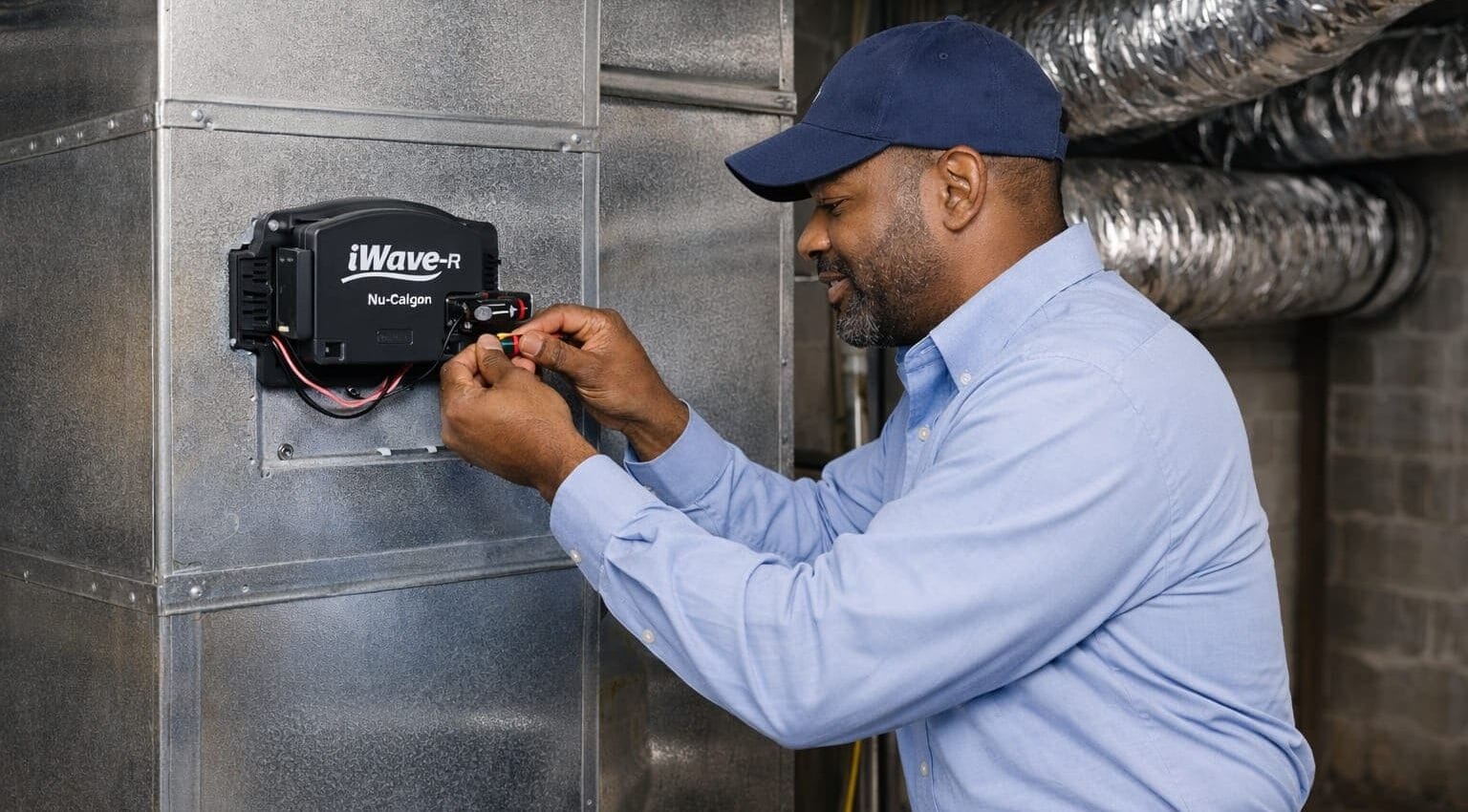




Get Fast, Reliable, and Professional Service that you can count on for all of your HVAC repair and maintenance needs.
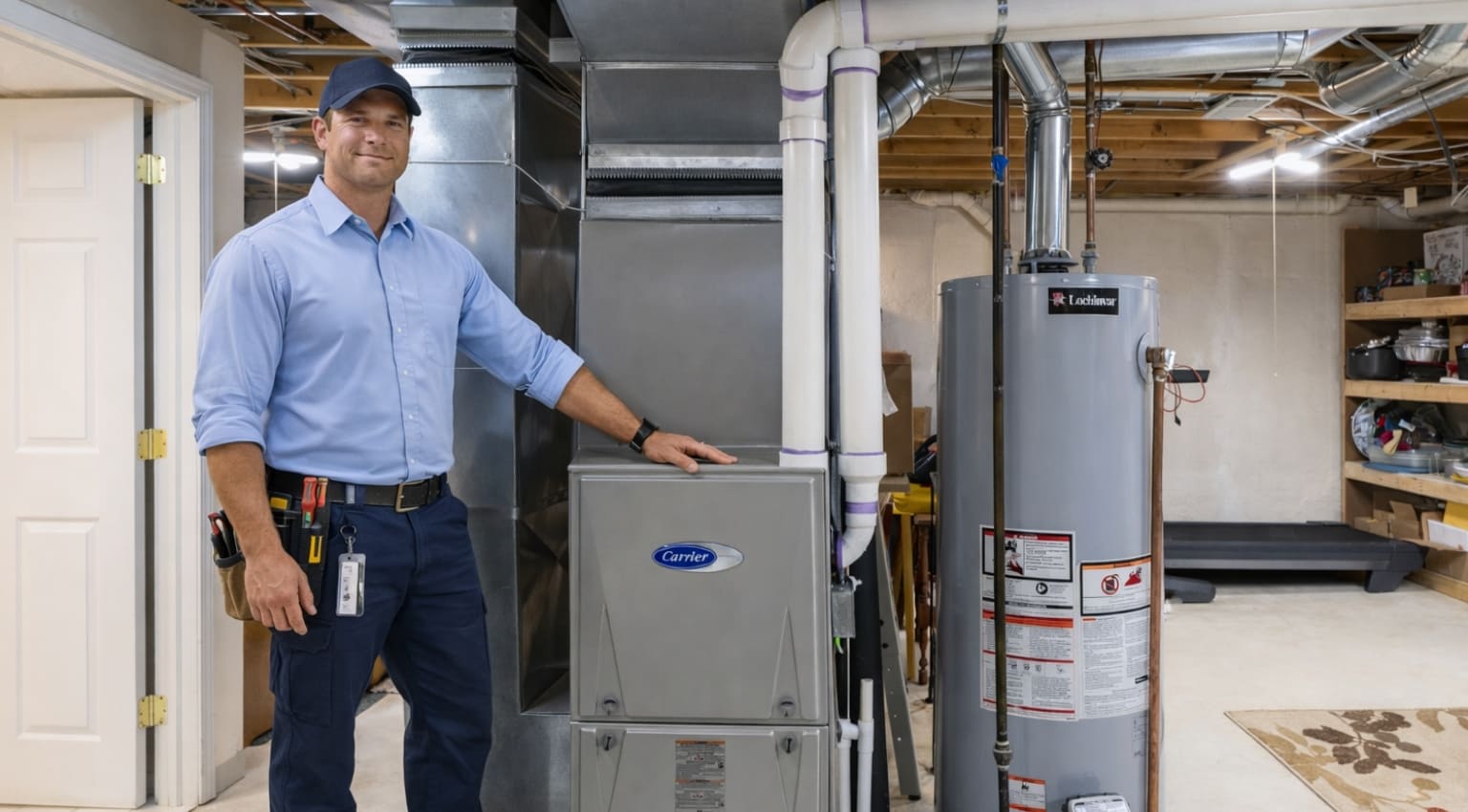
Furnace Tune Up and Maintenance
This includes a full inspection and tune up service.
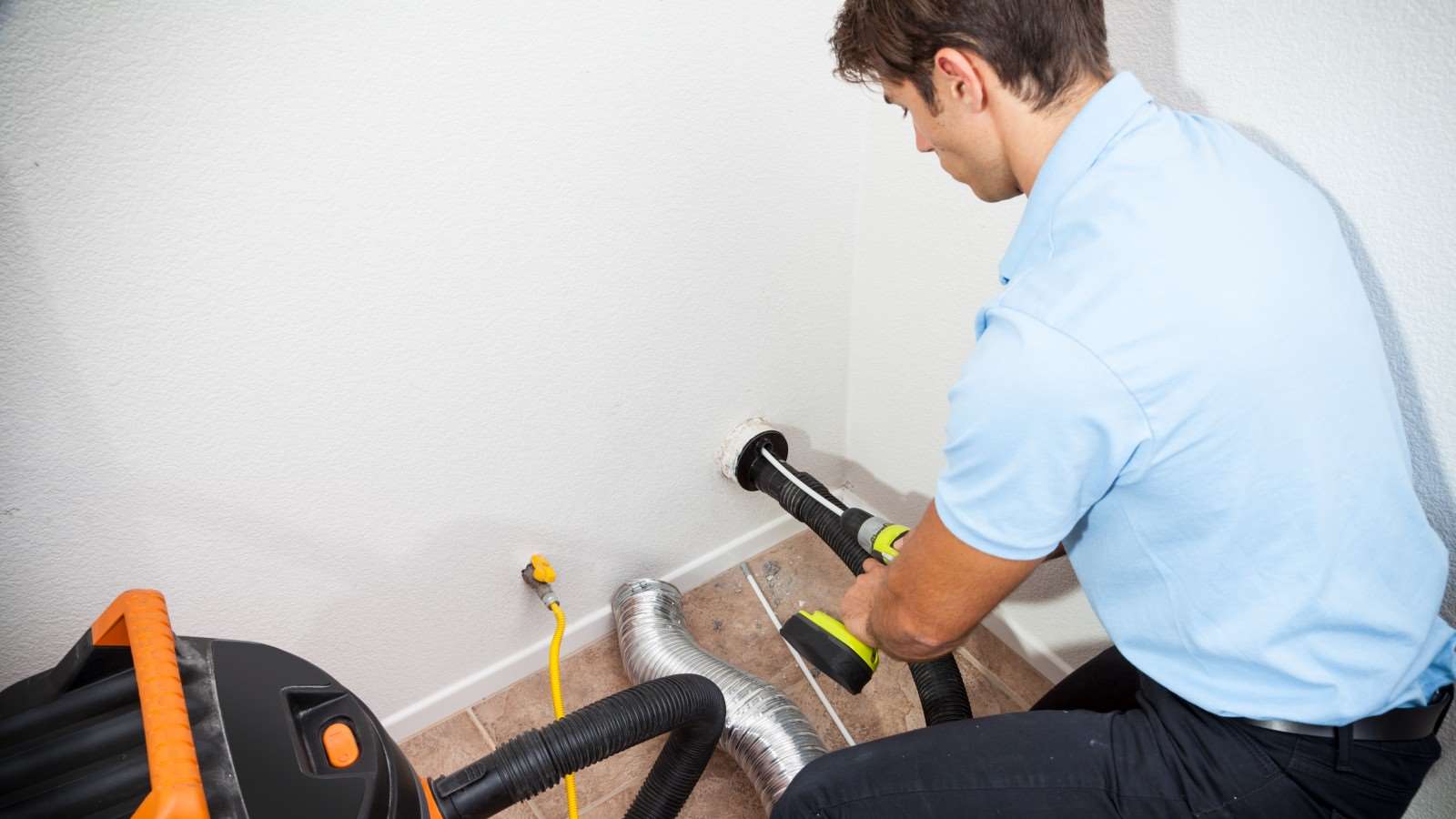
Dryer Vent Cleaning Services
This includes cleaning dryer outlet and short ductwork.
f.a.q. about Heating and Cooling
Trust Comfort Home Heating & Air for fast, reliable, and professional service.
In most homes, the furnace air filter should be replaced about every 1 to 3 months. However, the exact schedule can vary depending on how the heating and cooling system is used and the conditions inside your home.
For example, if you have pets, allergies, or a lot of dust, the filter may need to be changed every 30 days. Homes with multiple occupants or frequent HVAC use can also cause filters to fill up faster. On the other hand, a high-quality pleated filter in a smaller household might last closer to 90 days.
Changing the filter regularly is important because a dirty filter restricts airflow. When airflow is blocked, your furnace has to work harder to move air through the system. This can lead to higher energy bills, uneven heating, and unnecessary strain on the furnace components. Over time, neglected filters can even contribute to system breakdowns or reduced equipment life.
A clean air filter also helps improve indoor air quality by capturing dust, pollen, and other airborne particles before they circulate through your home. For households that prioritize healthier indoor air, checking the filter once a month is a good habit.
As a simple rule of thumb:
- Check the filter monthly
- Replace it every 1–3 months depending on conditions
If you are unsure which filter is best for your system or need help with furnace maintenance, a qualified HVAC professional can inspect the system and recommend the right filter type and replacement schedule.
During very hot weather, it is common for an air conditioner to run for long periods of time. When outdoor temperatures rise significantly, your cooling system must work harder to remove heat from the home and maintain the thermostat setting. Instead of cycling on and off frequently, the system may operate continuously to keep indoor temperatures stable.
However, constant operation can also point to other issues. A clogged air filter, dirty condenser coils, poor attic insulation, or air leaks around windows and doors can make it harder for the system to cool the home efficiently. In some cases, an air conditioner that is too small for the home or one that has low refrigerant levels may struggle to reach the desired temperature.
If your air conditioner runs all day but the house never feels comfortable, it may be helpful to have the system inspected by an HVAC technician. A professional can check airflow, refrigerant levels, and system performance to make sure the equipment is working properly and efficiently.
A good rule of thumb during the summer is to set your thermostat to around 78°F when you are home and awake. This temperature typically provides a comfortable indoor environment while helping keep energy costs under control. If you are away from home for several hours, raising the thermostat 5–8 degrees higher can reduce unnecessary cooling and lower your utility bills.
At night, many homeowners prefer slightly cooler temperatures for sleeping, often between 72°F and 76°F, depending on personal comfort. Using ceiling fans or circulating fans can also help the home feel cooler without lowering the thermostat further.
Every home is a little different, so the ideal setting may vary depending on factors like insulation, humidity, and how well your air conditioning system is maintained. Keeping your HVAC system properly serviced and your air filters clean can help your air conditioner maintain comfortable temperatures more efficiently throughout the summer.
If you notice that your home struggles to stay comfortable even at reasonable thermostat settings, it may be a sign that your system needs maintenance or adjustment.
Yes, skipping regular maintenance can negatively affect your heating system over time. Heating equipment works hard during the colder months, and without periodic inspections and tune-ups, small issues can go unnoticed. Dust buildup, worn components, or restricted airflow can cause the system to run less efficiently and put additional strain on important parts.
When maintenance is skipped, problems that might have been simple to fix can gradually become larger and more expensive repairs. For example, a dirty filter or neglected burner assembly can reduce efficiency, increase energy use, and cause uneven heating throughout the home. In some cases, lack of maintenance may even shorten the overall lifespan of the furnace or boiler.
Routine heating maintenance helps ensure the system operates safely, efficiently, and reliably. During a professional tune-up, technicians typically inspect critical components, clean important parts, check airflow, and verify that the system is running properly. Keeping up with regular maintenance can help prevent unexpected breakdowns and keep your heating system performing well throughout the winter season.
Most heating professionals recommend a full furnace inspection once a year before the winter season begins. Regular inspections help detect worn components, airflow issues, and safety concerns before they lead to system failure.
This problem is often caused by clogged filters, airflow restrictions, faulty thermostats, or burner issues. A technician can test system performance and determine the exact cause.
A standard maintenance service typically involves inspecting electrical components, checking safety controls, cleaning burners, testing airflow, verifying thermostat operation, and ensuring the system operates efficiently.
Uneven temperatures are often caused by airflow problems, blocked vents, duct leaks, or thermostat placement. A technician can inspect the system and recommend adjustments to improve comfort.
Short cycling can occur due to thermostat issues, clogged filters, overheating components, or improper system airflow. Addressing the underlying issue can prevent excessive wear on the equipment.
Heating and cooling systems circulate air throughout the home. Clean filters, proper ventilation, and regular maintenance help remove dust, allergens, and airborne particles.
The ideal filter depends on your system and indoor air quality goals. Many homeowners use pleated filters with higher efficiency ratings to capture smaller particles.
Heating systems can lower indoor humidity levels. Dry air may cause discomfort, static electricity, and irritated sinuses.
Weak airflow may be caused by clogged filters, blocked ductwork, or blower motor issues. Proper system maintenance usually resolves the problem.
Regular inspections, timely repairs, and keeping air filters clean are the best ways to extend the lifespan of heating equipment.
Thermostat sensors can be affected by sunlight, drafts, or poor placement. Calibration or relocation may improve temperature accuracy.
Most HVAC professionals recommend servicing your air conditioner once per year, typically in the spring before heavy summer use. Regular maintenance helps ensure the system runs efficiently and reduces the chance of unexpected breakdowns.
A technician will typically inspect electrical components, clean the condenser coil, check refrigerant levels, test thermostat operation, and verify that the system is cooling properly.
Preventative maintenance helps your system operate efficiently, improves indoor comfort, and can extend the life of the equipment. It also helps detect small problems before they turn into expensive repairs.
Most routine air conditioner inspections take between 45 minutes and one hour, depending on the system and any issues discovered during the inspection.
This issue can be caused by dirty air filters, blocked condenser coils, refrigerant problems, or thermostat malfunctions. A professional technician can diagnose the problem and restore proper cooling performance.
Many energy experts recommend setting the thermostat around 75–78°F while you are home. Raising the temperature slightly when you are away can help reduce energy costs.
During extremely hot days, your AC system may run longer to maintain indoor comfort. However, if it runs continuously without reaching the set temperature, there may be efficiency or airflow problems.
Regularly replacing air filters, sealing air leaks in your home, scheduling annual maintenance, and keeping the outdoor condenser unit clean can help improve efficiency.
Closing vents can actually disrupt airflow and cause pressure imbalances in your duct system. Most HVAC professionals recommend keeping vents open for proper system operation.
In addition to using your air conditioner, keeping blinds closed during the day, using ceiling fans, and limiting heat-producing appliances can help maintain comfortable indoor temperatures.
With proper maintenance, most residential air conditioning systems last between 12 and 20 years. Factors such as climate, usage, and maintenance frequency can influence lifespan.
Musty odors are often caused by moisture buildup or mold growth in the evaporator coil or drain pan. Cleaning and maintenance can help eliminate the smell.